



The Hidden Trade-Off Behind Many “Efficient” Office Buildings
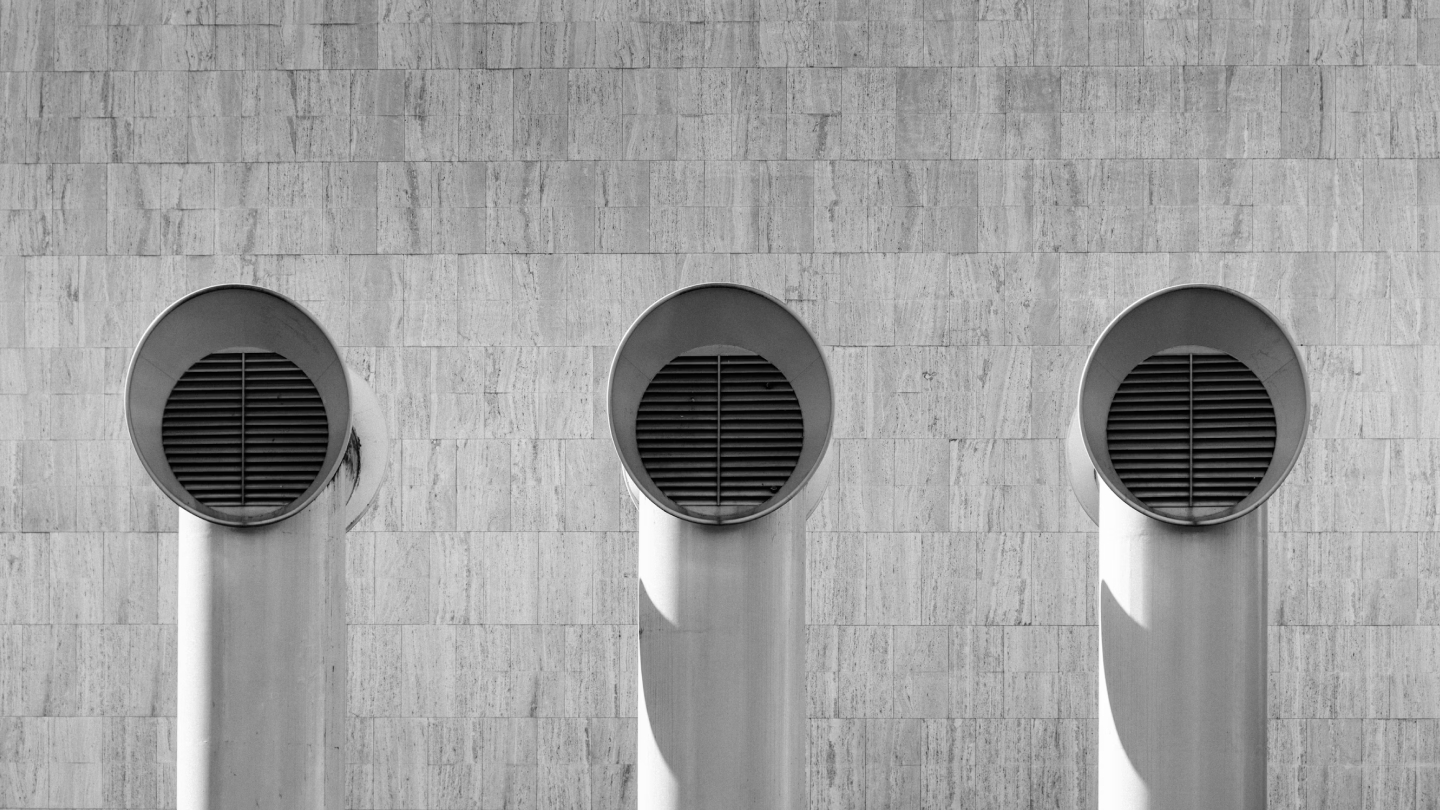
Many offices now look energy-efficient on paper by quietly cutting ventilation, creating a false efficiency that lowers reported energy use while steadily eroding comfort, wellbeing, and real asset quality.
Learn more about this thing
.svg)

Across office stock in Europe and the US, a quiet distortion is taking place. Many buildings that appear efficient on paper are doing so for the wrong reasons.
Their energy use looks low not because systems are genuinely optimised, but because fresh air supply has been reduced to the bare minimum or removed altogether. Ventilation, one of the most energy intensive services in any office, has quietly become the easiest thing to sacrifice.
This practice is rarely discussed openly, yet it has become one of the most common ways buildings are made to appear competitive. It delivers short term reductions in reported consumption and helps assets look leaner in benchmarks and disclosures. But it does so by delivering less of the service the building exists to provide.
More concerning still, this form of efficiency is largely invisible. To owners, investors, and even occupiers, the building appears to perform well while the underlying experience quietly deteriorates.
What energy metrics fail to capture
Energy performance metrics now sit at the centre of how offices are assessed and compared. Energy Use Intensity, EPC/BER ratings, and carbon reporting shape perceptions of quality, risk, and future readiness. Yet these metrics focus almost entirely on how much energy is consumed, not what level of service that energy delivers.
Ventilation exposes the flaw clearly. A building that supplies inadequate fresh air will almost always appear more efficient than one that is properly ventilated. Fans run less. Heating and cooling loads fall. Energy consumption drops. On paper, the building improves. In practice, it is simply doing less.
In use data reflects this contradiction. Highly rated buildings often show little meaningful difference in real world energy intensity compared with lower rated peers. The explanation is rarely superior design or smarter operation. In many cases, it is suppressed ventilation. Buildings delivering fundamentally different indoor environments end up appearing comparable because the metric measures consumption, not outcome.
This does not usually begin with poor intent. Facility teams operate under pressure to reduce energy use, stay within constrained budgets, and demonstrate improvement against benchmarks. In that environment, reducing fresh air becomes an easy lever to pull. It requires no capital investment, no approvals, and no disruption. The savings appear quickly in reports, while the consequences take much longer to surface.
Those consequences are operational rather than theoretical. Poor ventilation increases comfort complaints. Occupants can feel tired or be less productive and may experience spaces that feel stuffy, even when average temperatures look acceptable. None of this shows up in headline energy figures, yet all of it erodes an asset’s actual quality and the user’s experience, whether they realise it or not.
From apparent efficiency to real performance
As regulation moves away from design intent and toward actual in use performance, this strategy becomes increasingly fragile. Across US and European markets, scrutiny is expanding beyond how buildings model to how they operate in practice. At the same time, occupiers are less tolerant of environments that compromise comfort or wellbeing in the name of efficiency.
The issue is not energy reduction itself. It is how those reductions are achieved. Some buildings are designed with a crude form of CO2 control involving relatively few measurement points that are averaged. These ultimately miss places where occupants congregate, such as meeting rooms or hot desk working areas. True performance improvement means delivering the same or better levels of comfort, ventilation, and control, using less energy. Anything else is a diminishment in standards.
Without context around ventilation rates, control strategies, and system behaviour, energy metrics tell an incomplete story. Two buildings with identical energy intensities can carry very different operational risks and long term cost profiles. For owners and investors, that distinction matters.
The next phase of performance improvement will not be driven by doing less. It will be driven by doing better. Buildings that breathe properly, respond intelligently to real conditions, and reduce energy use without eroding the service they provide will be the ones that stand up to scrutiny.
At Symphony Energy, we work with complex commercial buildings where efficiency gains must be real and defensible. By combining in use data, digital twins, and advanced HVAC optimisation, we help organisations understand how their buildings are actually operating across energy, ventilation, and comfort, while delivering extraordinary efficiency. That clarity allows energy consumption to fall for the right reasons, not the convenient ones.